
Household Appliance Removal
Make Space by Removing Old Appliances
Tell us which appliances need to go and where they are located.
Appliance Removal for Home Updates and Cleanouts
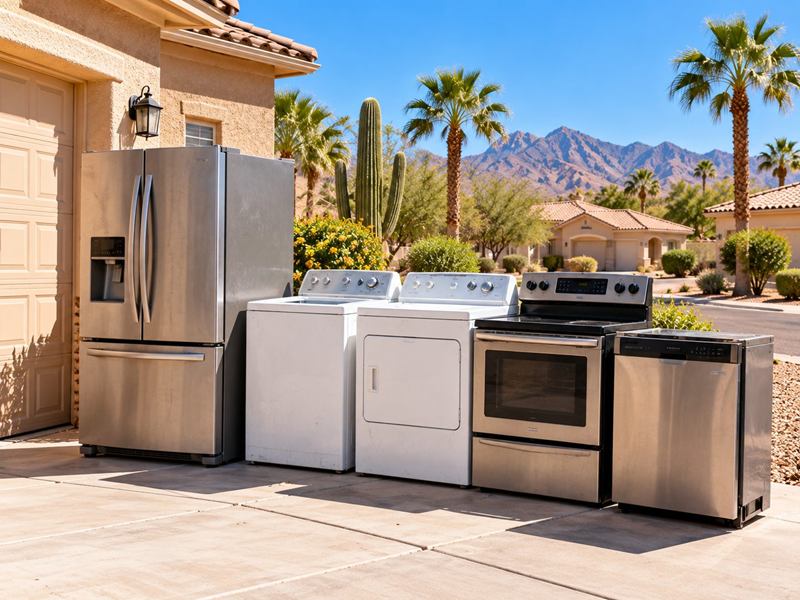
Replacing a refrigerator, upgrading laundry equipment, or clearing a property often leaves large appliances that are difficult to move. Refrigerators, freezers, washers, dryers, and similar items can be heavy, awkward, and challenging to maneuver through doorways. Surprise Junk Removal helps customers discuss appliance removal as part of a home cleanout, property turnover, or household upgrade.
Appliance handling depends on the type of unit, its condition, and the way it is connected and positioned. Before removal, appliances should be safely disconnected from utilities by an appropriately qualified person when needed. Tell us whether the appliance is upstairs, in a tight laundry closet, in a garage, or behind a gate. We review access and the item list to determine the scope and any special handling requirements.
Appliances We Can Discuss for Removal
Appliances can contain materials that require particular handling, and disposal rules may differ by item type. When you contact us, identify each appliance and mention any unusual condition, such as damage, leakage, or missing components. Refrigerants and other regulated materials must be handled through appropriate channels. Acceptance and disposal options depend on the appliance and applicable requirements.
Refrigerators and freezers
Large cooling appliances can be difficult to move and may have specific handling or disposal requirements. Let us know the type, approximate size, and whether it is already disconnected.
Washers and dryers
Laundry appliances can be heavy and may be located in tight utility spaces. Confirm that water, electrical, gas, or vent connections are safely addressed by an appropriate professional before removal.
Ovens and other household appliances
Ranges, dishwashers, and other appliances can be considered based on condition, access, and applicable handling requirements. Describe any utility connections and whether the unit is built in.
Appliances from property cleanouts
If several appliances are being removed from a home, rental, or estate property, provide a list of the units and their locations. A complete description helps establish the scope.
How to Prepare an Appliance for Pickup
A few simple steps before the removal help it go faster and avoid messes:
- Refrigerators and freezers: empty them, unplug them a day ahead so they can defrost, and dry out any water. Remove loose shelves and bins if they're cracked or broken.
- Washers: turn off the water supply and disconnect the hoses, then let the remaining water drain into a bucket.
- Dryers: unplug the unit. Gas dryers need the gas line shut off and capped by a qualified person before removal.
- Ranges and ovens: electric ranges just need to be unplugged. Gas ranges, like gas dryers, should be disconnected by a qualified person.
- Dishwashers and built-in units: these are usually hard-wired and plumbed in, so they need to be disconnected before they can be removed.
Refrigerators, freezers and other cooling appliances contain refrigerant. Federal rules require the refrigerant to be recovered before the appliance is scrapped, which is one reason appliances go through specific recycling channels instead of ordinary disposal. Working appliances in good condition may be donated where a donation center accepts them.
If you're not sure whether an appliance is disconnected, mention it when you ask for an estimate.
What Affects Appliance Removal Cost?
| Job type | What shapes the price | How it's priced |
|---|---|---|
| One accessible appliance | Depends on type and access | Estimate required |
| Multiple appliances | Depends on quantity and handling | Estimate required |
| Built-in or difficult-access appliance | Depends on disconnection and removal needs | Detailed estimate |
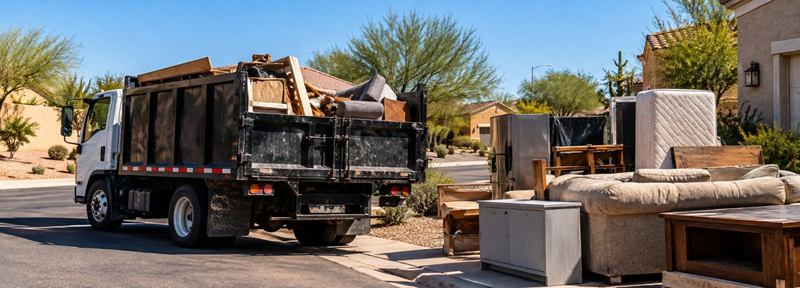
These are planning categories, not fixed prices or verified market averages. Cost depends on appliance type, quantity, location, access, required handling, and disposal rules. Utility disconnection and repairs are separate unless specifically included in the agreed scope.
Step by step
How Appliance Removal Works
Identify the appliances
List the appliance types, quantities, approximate sizes, and current locations.
Describe connections and access
Mention stairs, tight spaces, built-in installation, and any utility connections that need to be addressed.
Discuss handling and estimate
We review the item list, access, and applicable disposal considerations before confirming the scope.
Prepare the appliances
Ensure any necessary utility disconnection is safely completed by an appropriately qualified professional before the agreed removal.
Why Choose Us for Appliance Removal?
Item-specific planning
We ask what type of appliance is involved because refrigerators, laundry equipment, and built-in units can have different handling needs.
Attention to utility connections
Appliances should be safely disconnected before removal when required. We clarify the scope so utility work is not confused with hauling.
Access considerations
Stairs, narrow doorways, tight closets, and appliance dimensions can affect how removal is approached.
Disposal awareness
Some appliances require specific handling or recycling channels. We consider the item type and applicable requirements when discussing removal options.
Can you take an appliance that still works?
Yes. Working appliances can be removed like any other. If they're clean and in good condition, they may be donated where a donation center accepts them.
Do I have to defrost my refrigerator first?
It helps. Unplug the refrigerator or freezer a day ahead, empty it and wipe up the water so nothing leaks on the way out.
Can you remove several appliances at once?
Yes. Kitchen remodels, rental turnovers and estate cleanouts often involve several appliances. List each one and where it's located so the whole job can be estimated together.
Can old water heaters be removed?
Yes. Mention a water heater when you ask for an estimate. It needs to be drained, and the water, power or gas supply disconnected by a qualified person, before it can be removed.
Where We Offer Appliance Removal
Surprise and nearby communities, including these areas:
Other Services
Also available across our service area:
Contact Us Today for a Free Estimate
Replacing an appliance or clearing a property? Send us the appliance list and location details.
Free — no obligations