
Construction and Remodel Debris
Clear the Leftovers From Your Project
Describe the material types, quantity, and job-site access for an estimate.
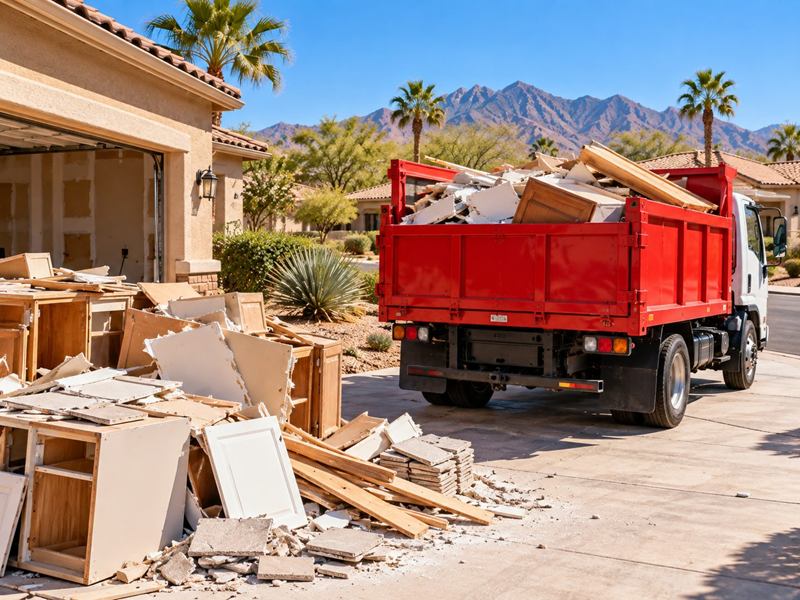
Debris Removal for Home Improvement Projects
A renovation can leave behind piles of packaging, broken fixtures, trim, lumber, and other material that make it harder to finish the space. Even a modest bathroom update or flooring project can generate more debris than expected. Surprise Junk Removal helps homeowners and other customers discuss removal of suitable construction and remodel leftovers so the project area can be cleared and organized.
The type of material matters. Clean lumber, packaging, and some nonhazardous renovation debris may be handled differently from mixed loads, heavy masonry, roofing material, or substances that require special disposal. When requesting an estimate, list the materials, describe the quantity, and explain whether the debris is already gathered or spread around the property. We review the scope and any applicable handling restrictions before agreeing to the job.
Know What Is in the Debris Pile
Clear descriptions help us assess the work. If possible, separate materials by type and keep the pile in an accessible location without blocking walkways or creating a hazard. Do not include chemicals, solvents, asbestos-containing materials, unknown liquids, or other hazardous waste in a general debris request. If you suspect a material may be hazardous, stop handling it and consult an appropriately qualified professional about testing and removal requirements.
Lumber, trim, and offcuts
Suitable pieces of wood, trim, and project offcuts may be considered depending on the amount, condition, and disposal requirements. Describe whether the material contains nails, coatings, or other attached components.
Old fixtures and cabinets
Removed cabinets, sinks, doors, and similar fixtures may be included when suitable for handling. Let us know if items are still attached or if removal and demolition work would also be required.
Packaging and nonhazardous leftovers
Cardboard, packaging, and certain nonhazardous materials can accumulate during renovations. Identify the material types and approximate volume so the load can be assessed.
Mixed project debris
Mixed loads may need additional review because weight, material composition, and disposal rules vary. Photos and an itemized description help determine whether the load is suitable for the service.
Debris Removal for Homeowners, Contractors and Property Managers
Remodel debris comes from different kinds of projects. Homeowners finishing a DIY bathroom or flooring project often have a single pile of tile, cabinets, trim and packaging. Contractors and property managers may have leftovers from several units or a job that ran longer than planned. Residential and commercial debris jobs are both welcome.
A few things make a debris pickup easier to plan:
- Keep the pile in one place that's easy to reach from the driveway or street, without blocking walkways.
- Separate heavy materials such as tile, concrete pieces and stone from lighter debris, because weight affects the job.
- Pull out anything hazardous, such as paint, solvents, adhesives and other chemicals. These need separate handling.
- Consider the age of the building. Homes built before 1978 may have lead-based paint, and older building materials can contain asbestos. If you're unsure, have the material tested before it's disturbed.
Usable materials such as clean lumber, cabinets and fixtures in good condition may be donated where a donation center accepts them, and recyclable materials are recycled where local facilities accept them.

What Affects Remodel Debris Removal Cost?
| Job type | What shapes the price | How it's priced |
|---|---|---|
| Small amount of suitable debris | Depends on volume and material | Estimate required |
| Mixed renovation leftovers | Depends on weight, sorting, and access | Estimate required |
| Large or heavy project load | Depends on material and handling needs | Detailed estimate |
No fixed price or market average is stated. Estimates depend on volume, weight, material type, loading access, labor, and disposal requirements. Hazardous or regulated materials may be excluded and may require a specialist. Demolition and construction work are separate from debris hauling unless explicitly agreed.
Step by step
Our Construction Debris Removal Process
Describe the project
Tell us what work was completed, what materials remain, and whether the load is gathered in one place.
Identify the material types
List the main materials and flag heavy, sharp, treated, unknown, or potentially hazardous items for review.
Review access and scope
We discuss the amount, weight, site access, loading needs, and any disposal restrictions before agreeing on the job.
Confirm the removal plan
Once the scope is agreed, the suitable included debris can be handled according to the arrangements and applicable requirements.
Why Choose Us for Construction & Remodel Debris?
Material-aware planning
We ask what the debris contains because wood, fixtures, packaging, masonry, and mixed loads can have different handling requirements.
Clear scope boundaries
We distinguish debris removal from demolition, repair work, and hazardous-material remediation so the agreed service is clear.
Attention to access
The location of the pile, distance to the loading area, and site conditions can affect the work. Share these details when requesting an estimate.
Responsible handling considerations
Where practical and permitted, we consider suitable recycling or reuse options. The available choices depend on the material and local facilities.
Questions
Construction and Remodel Debris Questions
More answers on the FAQ page, or call 928-543-1330.
Can debris be picked up while the project is still going?
Yes. If you're in the middle of a remodel, describe what has piled up so far and whether more will follow. A single pickup or more than one can be discussed, depending on the project.
Can you take old cabinets and countertops?
Cabinets and countertops that have already been removed can be included. Mention the material, because stone and solid-surface countertops are heavy. Detaching them from the wall is separate demolition work unless specifically agreed.
Do I need to bag the debris?
No. Loose debris can be included, though gathering it in one place speeds things up. Small pieces, nails and broken tile are easier to handle in sturdy bags or boxes.
Can carpet and flooring be removed?
Yes. Carpet, padding, laminate and other flooring that has already been pulled up can be included. Describe the material and the approximate amount when you ask for an estimate.
Where We Offer Construction & Remodel Debris
Surprise and nearby communities, including these areas:
Other Services
Also available across our service area:
Contact Us Today for a Free Estimate
Need to clear renovation leftovers in Surprise? Share the material list and a few photos to discuss the job.
Free — no obligations